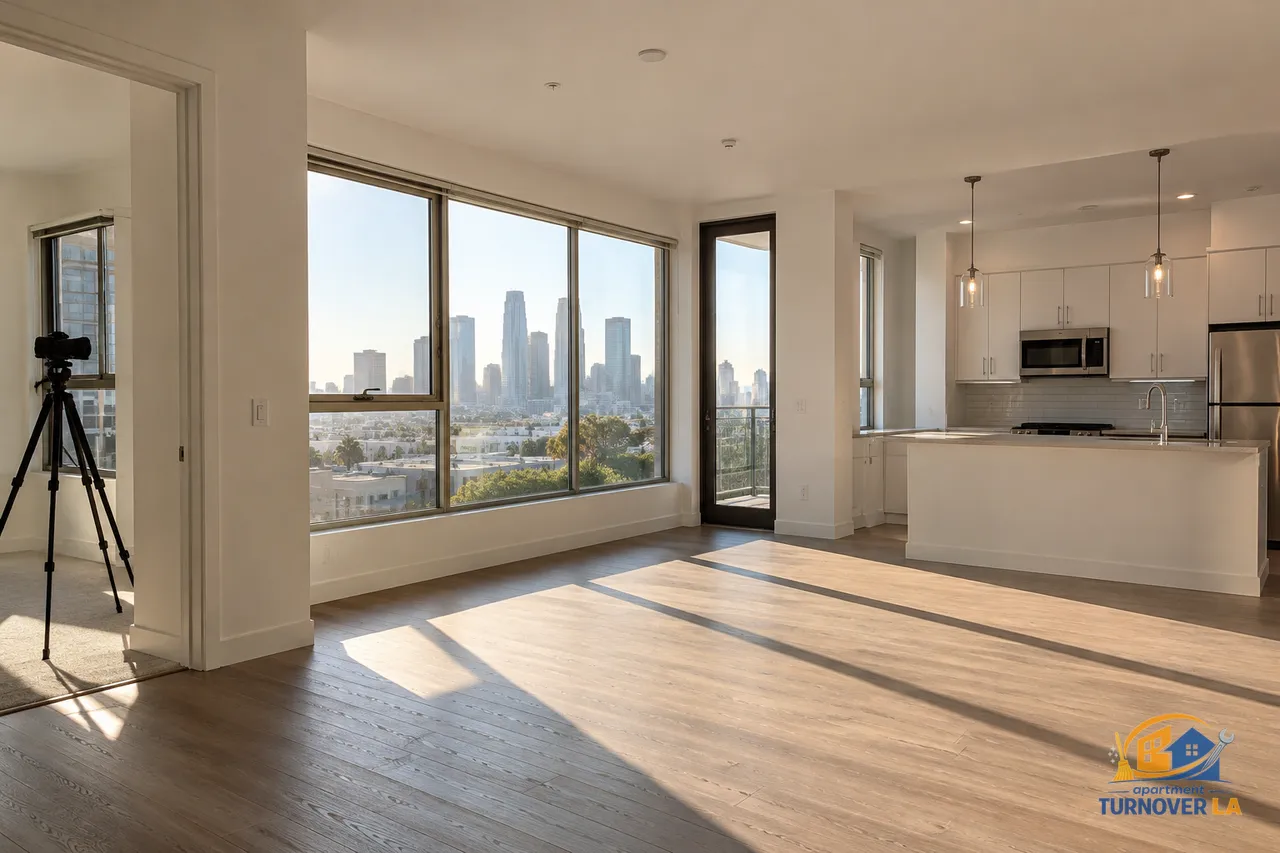
Quick answer: SNAP real estate photography is a search term that can lead to several unrelated real estate media providers, not one standard photography method. For an LA rental, the usable approach is to finish cleaning, repairs, access, and safety work before media is captured. TurnOver LA's TLA Launch Pad Media Package is $399, with a flat 48-hour turnaround.
For a rental listing, photos should document the unit that an approved applicant can actually tour, not a unit still waiting on paint, keys, or haul-away. That distinction matters more than the camera brand or the name in a search result, because mismatched listing photos create avoidable follow-up work and disappointed showings.
Get instant quote in 30 seconds
Is SNAP real estate photography a method or a provider?
SNAP is not a universal real estate photography standard. Search results for the phrase point to different businesses, including providers in Southern California, the Northeast, and online media services. Treat the term as a starting point for evaluating a provider, not as a guarantee of a particular deliverable, turnaround, editing style, or licensing arrangement.
For a landlord, the practical question is simpler: does the media show the exact rentable condition of the unit, and can it be scheduled around the turnover? A listing photographer may take technically good images of a unit that still has a drywall patch, a stained range hood, or unsecured entry hardware. Those images are still a poor leasing asset. The best sequence is to make the apartment rent-ready first, then capture the media after the final walkthrough. That keeps the listing, the showing condition, and the move-in condition aligned.
What should be finished before rental listing photos are taken?
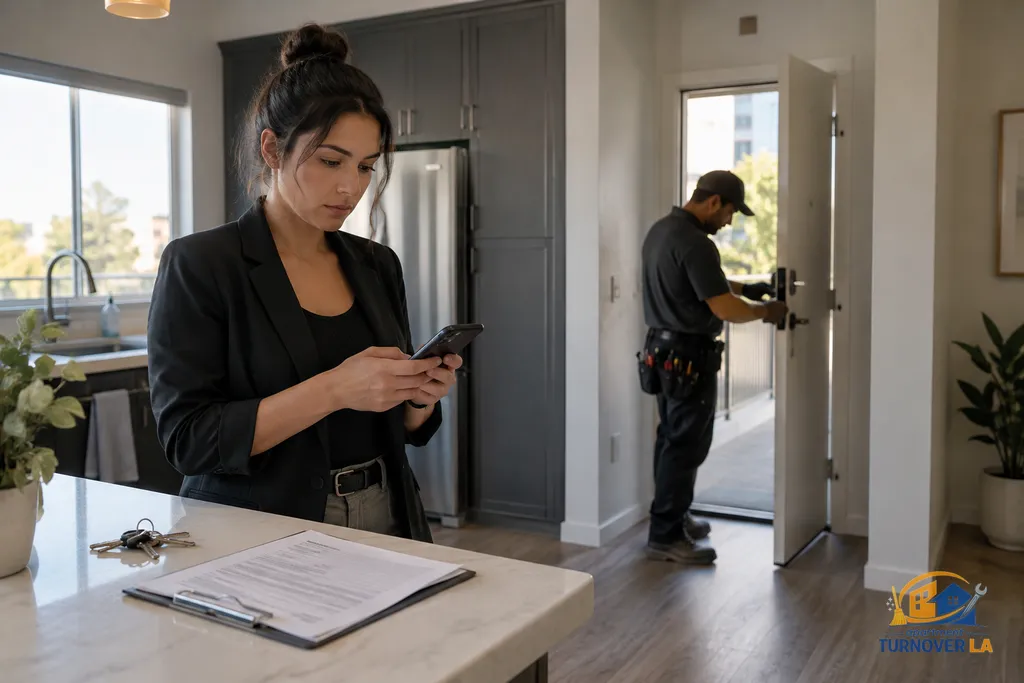
Finish all work that changes what a prospect will notice on a tour. That includes cleaning, wall touch-ups, debris removal, working lights, window coverings, and secure access. Do not schedule media around a crew that is still using the kitchen sink, leaving paint supplies in a bedroom, or waiting for a replacement knob. A camera sees unfinished work that a rushed walkthrough can miss.
Start with a Make Ready service when the unit needs a base deep clean and a 12-point photo report. The report is a turnover control document, while listing media is designed to market the finished unit. They serve different jobs and should not be substituted for each other. If the report identifies wall damage, incomplete hardware, or a cleaning issue, clear it before the media appointment.
A useful handoff rule is this: if you would point it out apologetically during a showing, it should be resolved before photos. That includes a smoke detector without a working test, a closet door off track, visible caulk failure, or an entry lock that has not been reset.
How do you take photos for a rental listing that answer tenant questions?
Take images in the order a prospective tenant experiences the apartment. Begin with the building approach or entry when it is relevant, then the living area, kitchen, bedrooms, bathrooms, storage, and any private outdoor area. Use wide but honest framing. Keep vertical lines straight, open blinds where privacy allows, turn on working lights, and remove cleaning equipment, trash, and personal data from view.
Each photo should answer a leasing question. Can the sofa wall fit furniture? Is there counter space? Is the bedroom separate from the living area? What is the bathroom condition? What storage is included? An attractive close-up of a faucet does not answer any of those questions by itself. Aim for a complete visual record of the spaces that affect a renter's decision.
The commonly cited 20-60-20 photography rule is a composition or content-planning idea, not a rental-listing requirement. For apartment media, coverage is more important than forcing a ratio. First make sure every decision-making room is represented. Then use detail images only where they clarify a genuine feature, such as in-unit laundry, a balcony, or built-in storage.
Why should turnover documentation stay separate from marketing images?
Marketing images are intended to attract qualified inquiries. Turnover photos are intended to show condition, confirm scope, and support communication between an owner, manager, and vendor. Combining the two creates problems. A bright, carefully framed marketing image may not capture the condition of a damaged baseboard, while a close inspection photo is not useful in an online listing.
Keep the pre-listing condition record organized with the move-out file, especially when deposit deductions may be considered. California Civil Code §1950.5 governs the rules around security deposits and itemized statements. The California DCA Landlord-Tenant Guide is also a practical reference for the inspection and deposit process.
This separation also prevents a common operational mistake: using a glossy listing image as proof of repair completion. Use inspection documentation to close a repair ticket. Use media captured after the ticket is closed to advertise the unit. For the broader workflow, see this apartment turnover checklist and the explanation of what make ready means.
Need the walls done before you re-list?
Turnover painting, scuff removal and patching, with a photo record of the condition we left behind.
$395 per room · 48-hour turnaround
Get an instant quoteWhat does listing media cost compared with per-photo pricing?
Online search results for this query show pricing models that range from $19.99 per photo to a $99.99 package for 10 photos. Those figures are general online search-result examples, not a reliable LA market range, because they do not establish unit size, location, editing scope, access conditions, or what is included.
With TurnOver LA, the listing option is the TLA Launch Pad Media Package: $399. It is a single rental-listing media package, rather than an a la carte menu for photos, video, or floor plans. That structure helps a manager plan the turnover as one closeout sequence instead of coordinating separate media vendors after the unit is already ready.
The quoted service covers labor and the crew's own supplies. If the unit needs paint, a replacement part, or a fixture before it can be photographed, those materials are priced at the on-site inspection and added only with your approval. Do not treat media pricing as a repair allowance. Resolve the readiness scope first, then schedule the finished unit.
Get instant quote in 30 seconds
How do access and smart locks affect the photo schedule?
Access is a small task that can hold up an entire listing. Before media is captured, confirm that the person opening the unit has the correct key, building instructions, parking information, and permission to enter. Confirm the lock state after every turnover, particularly when keys may have been copied or retained during the prior tenancy.
A smart lock can make showing access easier, but installation should not be treated as an automatic DIY step. Check door preparation, backset, strike alignment, deadbolt clearance, battery access, and any building rule that affects exterior hardware. A lock that binds or intermittently fails is worse than a keyed lock during an active leasing period.
TurnOver LA lists Smart lock install: $210. If the existing hardware simply needs reset between tenancies, Full apartment rekey (up to 2 locks): $150 is a separate option. Handle either job before the final media appointment, so the listing does not show one lock configuration while the applicant sees another at the tour.
How can landlords avoid re-shooting an LA rental?
Avoiding a re-shoot is mostly a scheduling discipline. Set the media date after the final cleaning and repair window, not after the notice date or the day the prior resident hands over keys. In LA, each vacant day can cost roughly $80 to $200 depending on the submarket, so a rushed shoot that must be repeated is more expensive than it first appears.
Use a final readiness walk in this order:
- Confirm the unit is empty of debris, tools, and former tenant property.
- Test lights, outlets needed for lighting, appliances, and smoke detectors.
- Check paint, drywall, flooring edges, cabinets, and visible caulk from standing height.
- Confirm blinds, windows, doors, and locks operate normally.
- Verify the unit number, access instructions, and any building entry process.
- Capture the marketing media only after these items pass.
If the walk finds unresolved issues, book painting and drywall work or a repair visit before media. For cleaning-specific scope, the move-out cleaning in Los Angeles guide explains where ordinary cleaning ends and turnover work begins.
What is the right sequence from vacancy to a live rental listing?
The right sequence is turnover work, verification, then media. First, remove abandoned items and assess the unit. Second, complete cleaning, repairs, paint, and access work. Third, use a documented final walk to verify the unit is ready. Fourth, capture listing media. Last, publish the listing using accurate photos and a clear availability date.
This order matters because it keeps vendor handoffs visible. It also prevents the common LA turnover issue where one vendor finishes a job but no one owns the last ten percent: a missed cabinet pull, paint touch-up, filter, or key handoff. The listing package should be the end of the readiness process, not a substitute for it.
A well-run turnover does not need elaborate staging to be credible. It needs a clean, functional apartment represented honestly, with access ready for showings and a condition record kept separately from the marketing set.