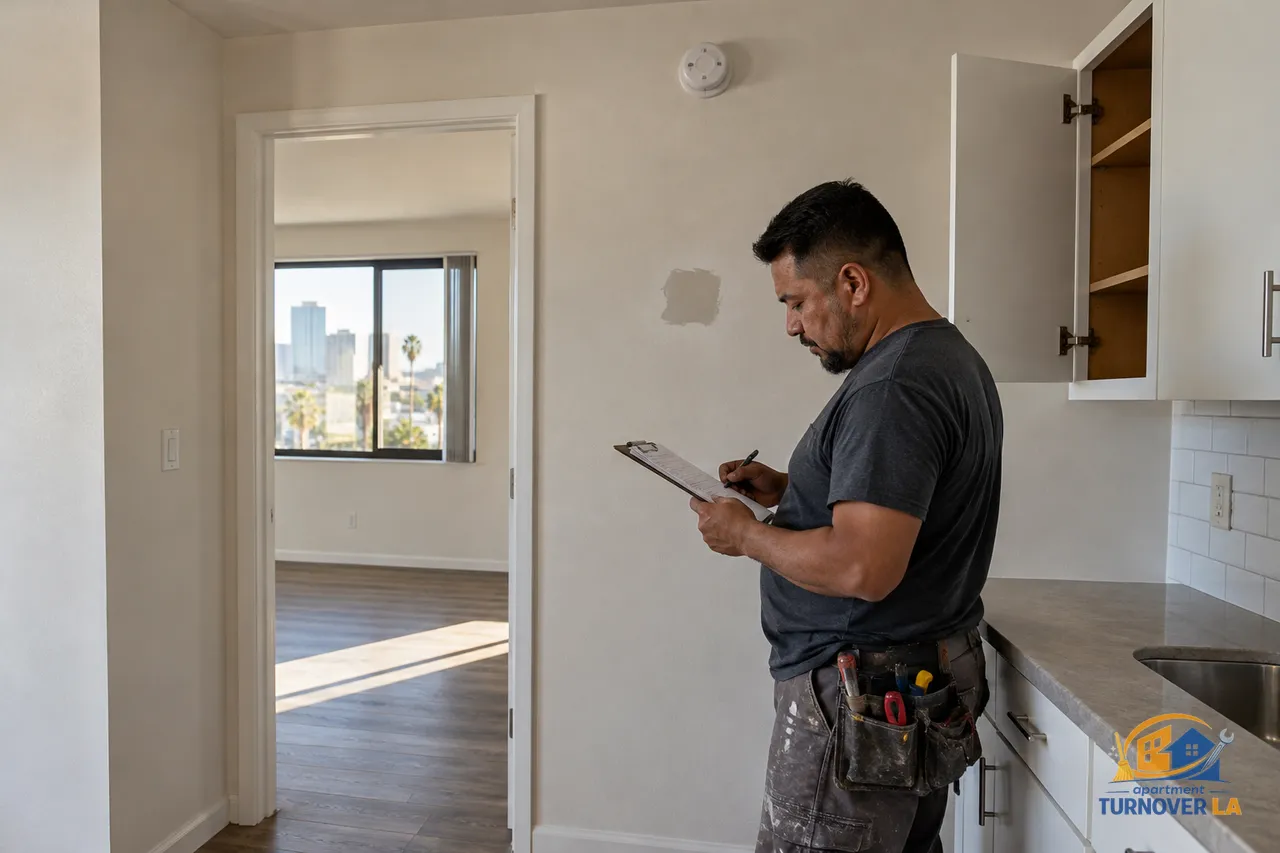
Quick answer: In California, an unlicensed handyman can generally perform a casual, minor job when the total contract price, including labor and materials, is under $1,000. The work cannot require a building permit, the handyman cannot use employees on the job, and a larger project cannot be split into smaller invoices to fit the exemption. For rental turnovers, define the full scope before work starts.
California landlords can use a handyman for many routine turnover items, but the legal limit turns on the entire job, not how small each task looks on a checklist. For a documented rental repair scope and a fast scheduling path, Get instant quote in 30 seconds.
What is the California $1,000 handyman limit?
The practical rule is that an unlicensed person may take on a job only when the aggregate contract price is less than $1,000, including labor and materials. The work must also be casual, minor, and inconsequential. That last phrase matters in rental housing because a job can look routine but still affect safety, structure, plumbing, electrical systems, or code compliance.
A landlord should calculate the whole agreed scope before authorizing work. If the same visit includes repairing damaged drywall, replacing a bathroom fixture, correcting a leaking shutoff valve, and repainting the wall, the question is not whether each line item is small. The question is whether those tasks are one project and whether the combined contract price stays below the limit. Parts and fixtures count toward the threshold even if they are purchased separately. A handwritten punch list is not a workaround if it describes one larger repair project.
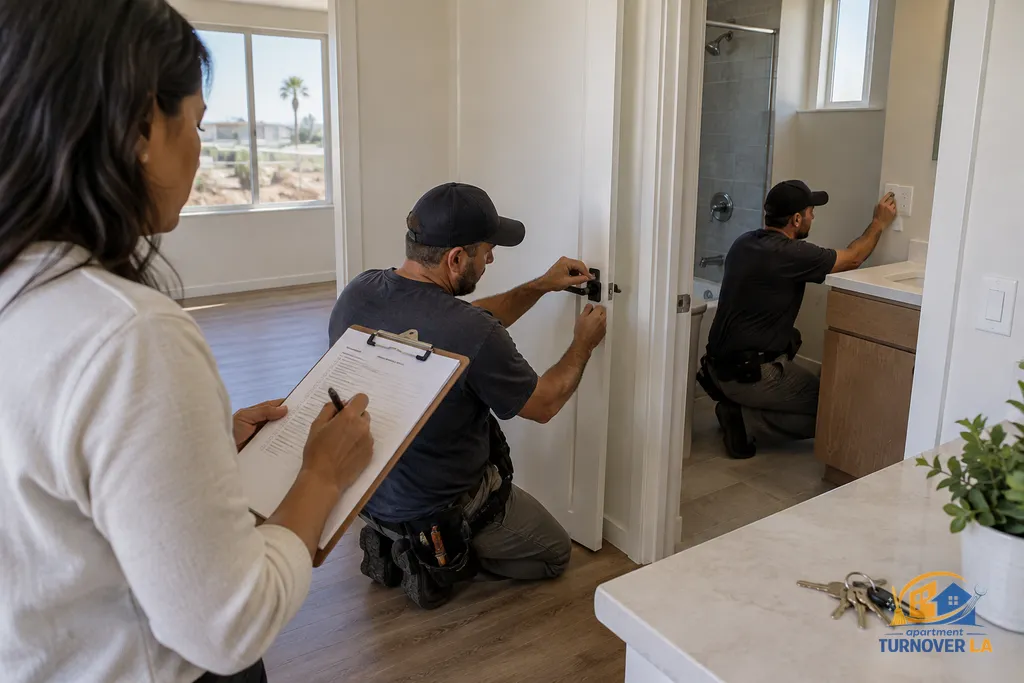
Does a permit requirement change what a handyman can do?
Yes. If the work requires a building permit, an unlicensed handyman exemption does not apply, even if the job is below $1,000. Permit triggers commonly arise when a project alters electrical, plumbing, gas, mechanical, or structural work. Local requirements can vary by city and by the condition found once a wall, fixture, or panel is opened.
For an LA apartment owner, this is why a simple request such as “replace the bathroom fan” needs a little diagnosis first. Replacing a cover may be a minor maintenance task. Rewiring a circuit, moving electrical connections, or addressing a failed installation may require a licensed contractor and permits. The same distinction applies to a loose faucet handle versus replacing plumbing inside a wall. Do not ask a handyman to decide a permit question by price alone. Confirm the condition, the intended repair, and the local requirement before scheduling work.
Can a landlord split a larger job into handyman-sized pieces?
No. California does not allow someone to divide a single larger project into separate contracts merely to stay under the $1,000 exemption. Calling the first invoice “drywall,” the second “painting,” and the third “hardware” does not solve the issue if all three were part of one planned repair. Timing does not control the analysis when the scope was known at the outset.
There is a useful operational distinction during a turnover. Separate, unrelated issues discovered at different times may truly be separate jobs. For example, a tenant move-out may reveal a loose cabinet hinge today, then a later water event may damage a ceiling next month. Those are not automatically one project. In contrast, a pre-listing walkthrough that identifies a damaged bedroom wall, failed closet door, baseboard replacement, and repainting for the same room should be scoped together. Keep dated inspection notes and photos so the work order reflects what was known when authorization was given.
What apartment maintenance jobs are usually appropriate for a handyman?
Routine, non-permitted maintenance is often a reasonable handyman assignment when the complete job falls within California's exemption. In a vacant unit, the best candidates are discrete tasks that can be inspected and signed off without opening regulated systems. Common examples include:
- Tightening or replacing cabinet pulls, hinges, and interior door hardware.
- Adjusting sticking interior doors and closet tracks.
- Installing shelves, blinds, curtain rods, or tenant-ready accessories.
- Completing small cosmetic drywall patches and touch-up work when the full scope remains eligible.
- Replacing a non-electrical door knob or performing a basic lock change.
- Addressing minor caulk, weatherstripping, and trim repairs.
The task list should describe the result, not just the symptom. “Secure loose bedroom closet track” is more useful than “fix closet.” For locks and access control, use a defined lock rekey service rather than leaving the unit's security status unclear between vendors. Test each completed item before the next trade enters the unit.
Need the unit turned before the next tenant?
We do the move-out clean and send you a photo report you can attach to the deposit itemization.
From $225 · 48-hour turnaround
Get an instant quoteWhen should a landlord use a licensed contractor instead?
Use a licensed contractor when the job exceeds the exemption threshold, requires a permit, involves employees working for the provider, or is more than casual and minor work. In apartment operations, that often means significant drywall restoration, electrical troubleshooting beyond a straightforward fixture issue, plumbing repairs inside walls, water-damage reconstruction, HVAC work, roofing, structural concerns, and major painting or restoration scopes.
The decision is also about risk management. A repair tied to habitability, safety, water intrusion, or a recurring defect needs a clear diagnosis and records that support the repair decision. A quick cosmetic fix can conceal a larger failure and create a second vacancy event later. For wall damage that is clearly limited, review the practical distinctions in drywall patching for Los Angeles rentals. When the scope is plainly a collection of ordinary apartment repairs, TurnOver LA can coordinate rental maintenance repairs with an inspection-based scope. Materials such as paint, parts, and fixtures are identified at the on-site inspection and require approval before they are added to the final invoice.
How should an LA landlord scope handyman work during a turnover?
Start with one room-by-room inspection after possession, before cleaning, painting, or listing photos are scheduled. Photograph the condition, note safety items first, and write each repair in enough detail that a vendor can identify whether it is a handyman task or a contractor task. This sequencing prevents a freshly cleaned unit from being dirtied by a later repair visit and prevents a paint crew from covering damage that still needs diagnosis.
For deposits, separate ordinary wear from tenant-caused damage before assigning costs. California's deposit rules are set out in California Civil Code §1950.5, and the California DCA Landlord-Tenant Guide remains a useful reference for documentation and accounting practices. Our guide to normal wear and tear in California helps with the initial classification. Once repairs are complete, schedule the final cleaning and condition review. Get instant quote in 30 seconds.
What are red flags when hiring a handyman in California?
A major red flag is a provider who says the $1,000 limit applies to labor only, or suggests breaking a known project into multiple invoices. Another is a willingness to perform permit-required work without discussing permits, license status, or the underlying condition. Be careful when the scope is vague, the provider cannot explain who will perform the work, or an invoice simply says “miscellaneous repairs” after the job is complete.
For turnovers, also watch for operational red flags: no before-and-after photos, no clear materials approval process, no functional test of repaired items, and no distinction between a cosmetic patch and a safety repair. A repair vendor should be able to identify exclusions before starting, especially if there is water damage, electrical uncertainty, mold-like staining, or a security issue. Ask for a written scope, confirm access instructions, and verify the unit is secure at completion. These basic controls reduce repeat visits and help preserve the documentation needed for a deposit disposition.
What is the right next step for a California rental repair list?
Sort the list into three groups: simple maintenance, work needing a deeper inspection, and clearly licensed or permitted work. Then authorize only the first group as a handyman scope after confirming the total contract value, materials, and who will perform the job. Do not make the scope broader after arrival without reassessing whether the exemption still fits.
This approach is especially useful in an LA turnover, where one unresolved repair can delay cleaning, photos, showings, and move-in. A clean handoff between repair, cleaning, and leasing work is usually faster than booking isolated tasks with no sequence. Pair the completed repairs with a Make Ready service when the unit needs a final clean and documented condition report. If you already have a defined punch list, Get instant quote in 30 seconds.