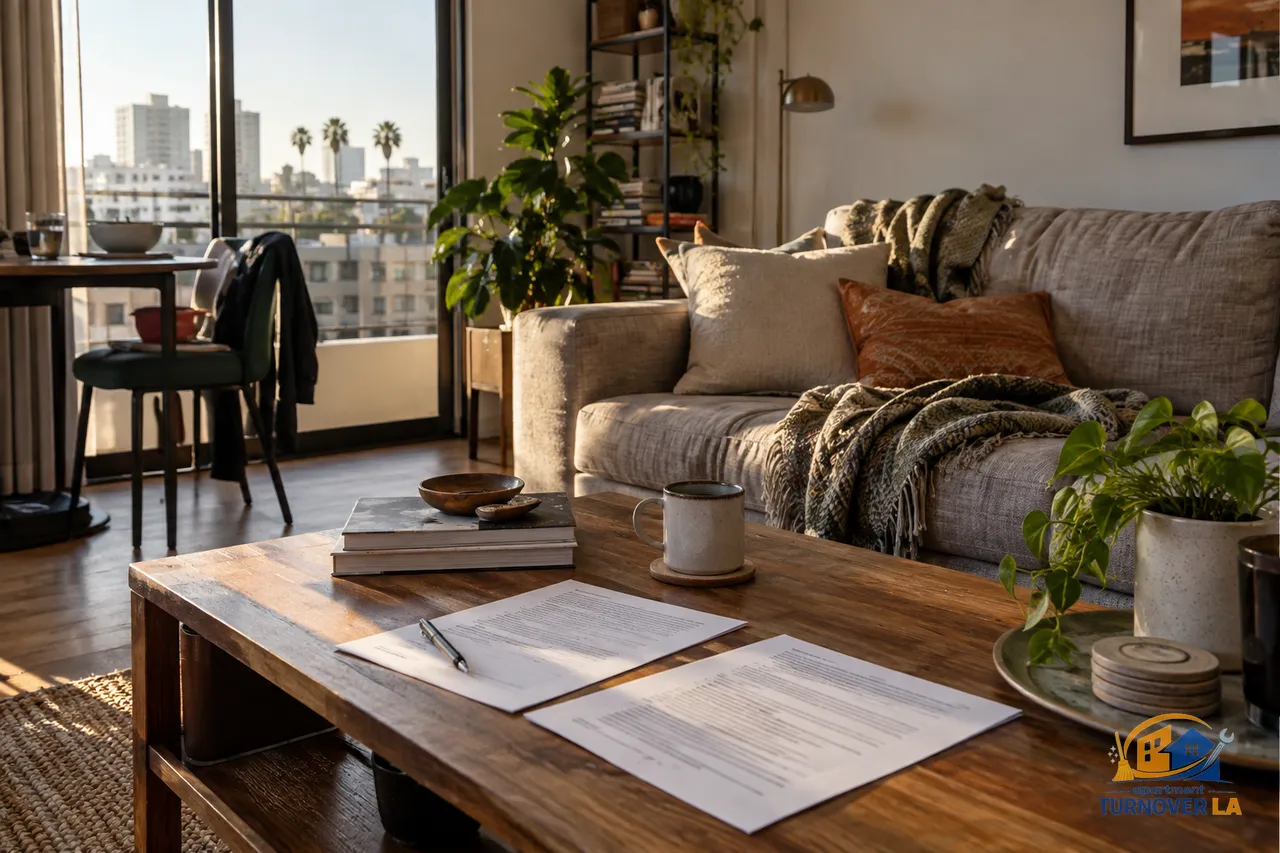
Quick answer: In California, your landlord can require you to keep the apartment sanitary, avoid damage, and follow reasonable lease terms. They generally cannot dictate ordinary day to day tidiness just because they dislike your housekeeping, and they cannot enter to inspect or clean without a lawful reason and proper notice, except in an emergency.
A landlord's request to clean is not automatically a legal order. The key questions are what the lease says, whether the condition creates damage or a health and safety issue, and whether the landlord is seeking access correctly. Get instant quote in 30 seconds
Can my landlord tell me to clean my apartment during my tenancy?
Yes, but only within limits. A landlord can tell a tenant to address conditions that violate a lease, damage the unit, attract pests, create odor that affects other residents, block required exits, or rise to a health and safety concern. For example, overflowing trash, a grease covered stove that presents a fire risk, or food waste attracting roaches are reasonable conditions for a written housekeeping request.
That is different from ordinary mess. Unmade beds, laundry waiting to be folded, a few dishes, or personal belongings in a normal living space are usually not a basis for the landlord to control how you live. A demand should identify the actual problem, the lease term or condition involved, and a reasonable deadline to correct it. Vague instructions to keep the unit "spotless" are difficult to enforce because cleanliness is subjective.
For Los Angeles tenants in rent stabilized housing, local rent rules do not give an owner a general right to supervise housekeeping. The relevant local framework is the LAHD Rent Stabilization Ordinance, alongside the lease and state habitability rules.
What cleaning can a California landlord reasonably require?
A reasonable request focuses on preserving the property and preventing a real problem, not reaching hotel level presentation. Most leases require tenants to dispose of garbage, keep plumbing fixtures reasonably clean, ventilate bathrooms, report leaks, and avoid conditions that cause pests or damage. Those terms are common because neglect can create a repair issue that spreads beyond one apartment.
Use the condition, not the landlord's preference, as the test. Mildew caused by a tenant never using the bathroom fan may call for cleaning and remediation. Mold caused by an unrepaired plumbing leak is a maintenance issue that needs owner action first. Grease on a range is different from worn grout, and tenant debris is different from a deteriorated cabinet finish.
Document the starting condition when you move in and any problem as it develops. California's California DCA Landlord-Tenant Guide is a useful baseline for tenant and owner responsibilities. It is also worth reviewing the distinction between normal wear and tear in California and cleaning or damage a tenant may actually be responsible for.
Can a landlord enter my apartment to inspect cleanliness?
Not simply because they are curious about the condition of the unit. In California, a landlord generally needs a lawful reason for entry and reasonable written notice. Twenty four hours is generally presumed reasonable for nonemergency entry, although the notice should state the date, approximate time, and purpose. Emergencies, such as an active leak or fire risk, are different.
A landlord may arrange a repair, perform an agreed inspection, show the apartment in an appropriate circumstance, or enter for another legally permitted purpose. A cleaning complaint does not erase those limits. If the owner wants to inspect a reported pest issue or possible damage, ask for the purpose and proposed time in writing. Keep the response practical and do not refuse a lawful, properly noticed entry without a reason.
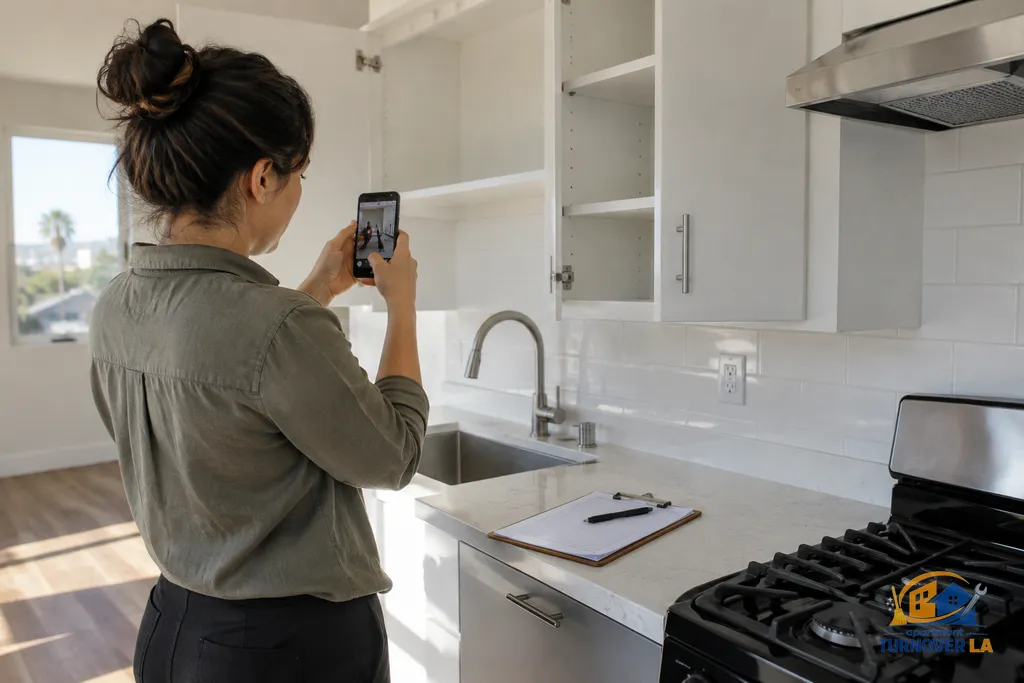
Take dated photos before access if the request concerns housekeeping. Photograph the specific areas mentioned, such as the kitchen, bathroom, balconies, or blocked pathways. This creates a condition record if the owner later alleges that cleaning was not completed.
What changes when I move out of the apartment?
Move out is where cleanliness becomes a deposit issue rather than an ongoing housekeeping dispute. A tenant must generally return the unit as clean as it was at move in, allowing for ordinary wear. The owner may deduct for cleaning only to restore the prior level of cleanliness, not to improve a unit beyond its original condition or charge for work that is really routine turnover preparation.
California's deposit rules matter here. Review California Civil Code §1950.5, including the owner timeline for an itemized statement and return of remaining funds. California's current security deposit cap is also addressed in AB 12 (2023) security deposit cap.
Before turning in keys, use a room by room list rather than cleaning only what looks bad. Clean the oven, refrigerator, cabinets, bathroom fixtures, floors, and inside closets. Take final photos after cleaning and keep proof of any professional work. For a closer breakdown, see California cleaning fees after move out and the California 21 day deposit return guide.
Need the unit turned before the next tenant?
We do the move-out clean and send you a photo report you can attach to the deposit itemization.
From $225 · 48-hour turnaround
Get an instant quoteHow should I respond to a landlord's cleaning demand?
Respond in writing, stay specific, and do not argue about broad labels like "dirty." Ask the landlord to identify the location, the condition observed, the lease term involved, and the deadline. If the issue is legitimate, confirm when you will correct it and take before and after photos. That record helps both sides and can prevent a minor condition from turning into a lease dispute.
If you disagree, explain why without ignoring the notice. For example, state that a stain is preexisting, that a leak is causing the moisture, or that the area was cleaned on a stated date. Attach photos when useful. If the landlord wants entry, request the written notice and confirm a reasonable access window.
Do not wait until move out to challenge a condition that is actually a maintenance defect. A tenant who reports a leak promptly has a stronger record than one who later discovers damaged flooring or mold. Likewise, owners should avoid issuing form notices before confirming whether the problem is tenant caused or a repair failure.
Get instant quote in 30 seconds
When does apartment mess become a lease or health issue?
The threshold is usually functional impact. A unit can be cluttered without violating a lease. It becomes more serious when the condition blocks exits, prevents access for emergency repairs, creates vermin harborage, produces persistent odors affecting neighboring units, damages flooring or fixtures, or creates a fire hazard. In a multifamily building, a pest or leak condition can affect more than one household, which is why a narrowly written cleaning notice can be appropriate.
A useful operational rule is to separate cleaning from remediation. Surface dust and ordinary kitchen use are cleaning. Roach activity, smoke residue, heavy grease accumulation, pet urine, or water damaged materials may require more than a tenant's wipe down. Those issues should be identified accurately before anyone assigns responsibility or schedules work.
For owners, sending photos with an inspection record and a clear correction list is more defensible than relying on a verbal complaint. For tenants, photos of clear pathways, sanitary fixtures, and reported maintenance issues are usually more useful than debating a manager's opinion of the apartment.
How can property managers handle cleaning issues without overreaching?
A consistent process protects the building and reduces avoidable conflict. First, verify the concern through a lawful inspection or credible report. Second, identify whether it is tenant housekeeping, a repair defect, or a turnover issue. Third, send a written notice that names the condition, the corrective action, and a reasonable deadline. The notice should not demand cosmetic perfection when the actual concern is trash removal or pest prevention.
At vacancy, separate resident charges from standard make ready work. A departing tenant may be responsible for unusual cleaning beyond move in condition, while the owner still needs to prepare the unit for the next resident. Managers can use a documented deep cleaning service for condition specific work and coordinate broader turnover tasks through property manager turnover support. Keeping those scopes separate avoids presenting ordinary leasing preparation as a tenant charge.
The cleanest file has four items: the move in condition record, the lease clause, dated inspection photos, and proof of the work completed. That approach is especially useful for disputes involving stains, odor, grease, or pests, where a general statement that the apartment was "unclean" says very little.
What is the practical bottom line for LA tenants and landlords?
Landlords can enforce reasonable sanitation and damage prevention requirements. They cannot use a general preference for neatness to control a tenant's normal daily life, and a request to clean does not create an unlimited right to enter the apartment. Written communication, lawful notice, and condition photos matter more than accusations.
For tenants, address real health or damage issues promptly and preserve evidence of preexisting conditions or maintenance failures. For landlords and managers, write precise notices and keep turnover work distinct from a security deposit claim. A clear process is faster, more fair, and easier to support if the disagreement reaches a deposit accounting or legal review.